N5

naidekudasai

ないでください | 〜するのをやめてください | please don’t do… | Please refrain from… | JLPT N5

The phrase “ちっとも~ない” (“not at all”/”not even a little bit”) in Japanese means “全く~ない.” It’s used to emphasize that something is entirely absent or nonexistent.

ないでください | 〜するのをやめてください | please don’t do… | Please refrain from… | JLPT N5 Read More »
deshou

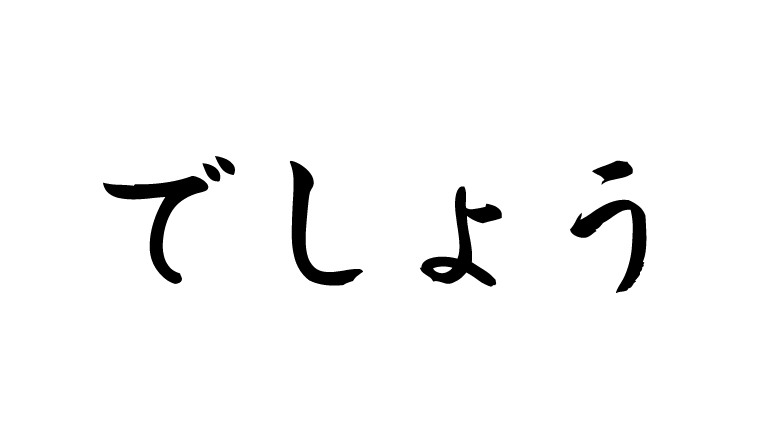
〜でしょう | だろう | probably | I think | JLPT N5

〜でしょう だろう 〜でしょう is used to express a guess, assumption, or expectation, and it can be translated as “probably,” “I think,” or “right?” depending on the context. 今夜イエローストーン国立公園で大噴火が起き、地球は氷河期に突入するでしょう。 Konya Ierōsutōn kokuritsukōen de daifunka ga oki, chikyū wa hyōgaki ni totsunyū suru deshō. Tonight, a massive eruption will occur at Yellowstone National Park, and the Earth

〜でしょう | だろう | probably | I think | JLPT N5 Read More »

demo

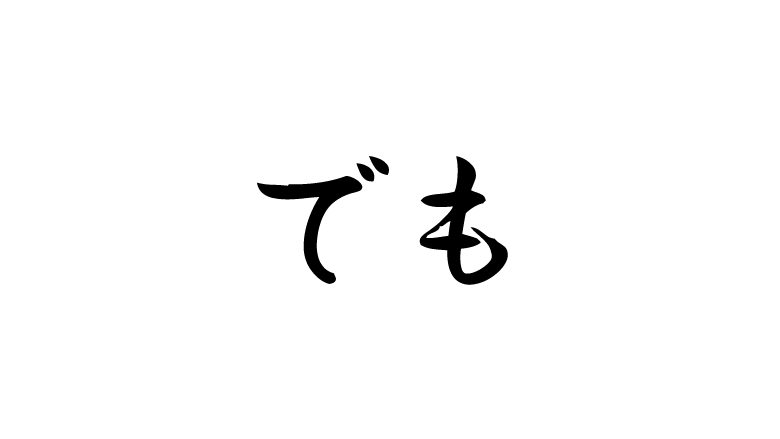
~。でも | ~だが | ~ but | Although ~ | JLPT N5

~。でも ~だが 前後の文を接続して対比を示す役割を持つ接続詞です。日本語では、逆接(反対の内容を繋ぐ)を表すために「でも」を使います。 日本語を独学で学ぶのは大変だ。でも、オンラインで日本語チューターを見つければ、短期間で効率的に学習できる。 Learning Japanese on your own is tough. But if you find an online Japanese tutor, you can learn efficiently in a short period of time. (I usually write a funny example, but I feel like being serious today. 😛 It’s okay, as long as it’s once in a while.) Ready to

~。でも | ~だが | ~ but | Although ~ | JLPT N5 Read More »

Scroll to Top